
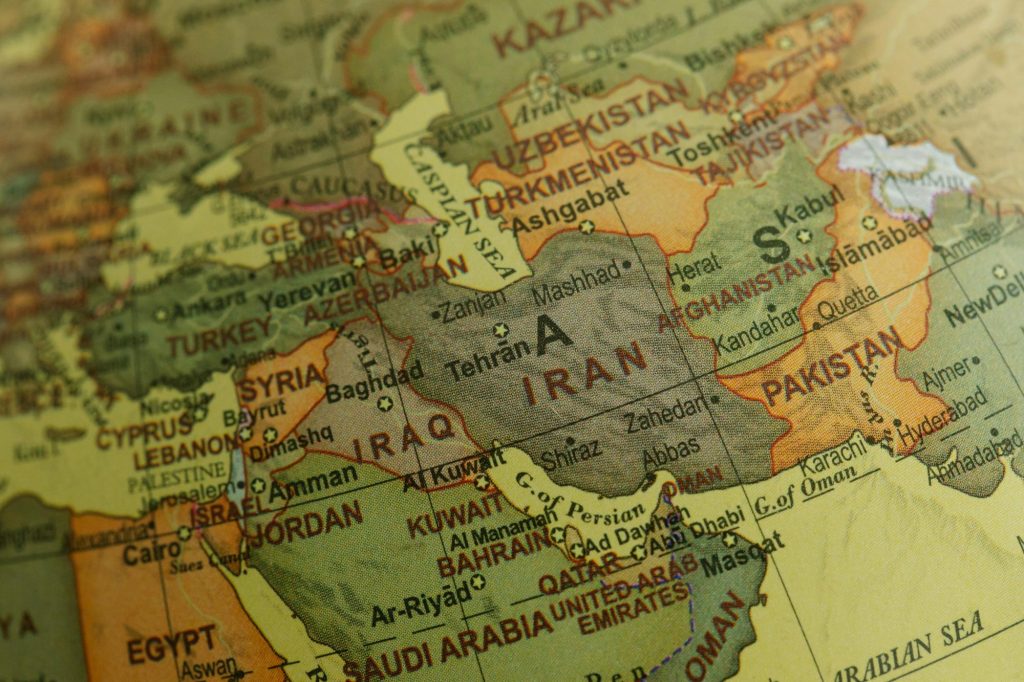
So I guess my interest in biology was the reason that I came to medicine. I don’t remember when exactly it all started. I guess it was under influence of some books that I read. It was like for kids about biology, and then I got interested in genes, how they work and how they determine your features and other stuff. In Iran, you choose your path the first year of high school because in Iran science related things and math have separate paths. I did four years of high school and took a national matriculation exam at the end of high school. Based on the rank on that exam, you get to choose what subject you want to study and what school you can go to. I don’t remember exactly, but I ranked enough to qualify for free education and chose medicine as my interest. To be honest I wanted dentistry but that needed a higher rank. Then it’s seven years of medical school. And because I was able to get to the free education medical school, I had to do two years of social services after graduation and after that they give you medical diploma. I got my medical diploma in 2018, after finishing my two years of social services where I worked as a primary care provider and ED physician in an underserved area in northern of Iran.

The matriculation exam is not fair for many reasons. So first of all, like you’re seventeen years or eighteen years old when you’re taking the exam. You’re very young and you are supposed to get ready for the exam for like four years of high school. It’s a lot of pressure. I think one of the reasons that I was successful was I was not preparing the whole four years. So I had like the energy and spirit. Because I was having fun in high school and started studying seriously for a year or year and a half. The exam is a lot. It has math, biology, chemistry, physics, geology, literature, Arabic, religious education, Farsi and English languages.
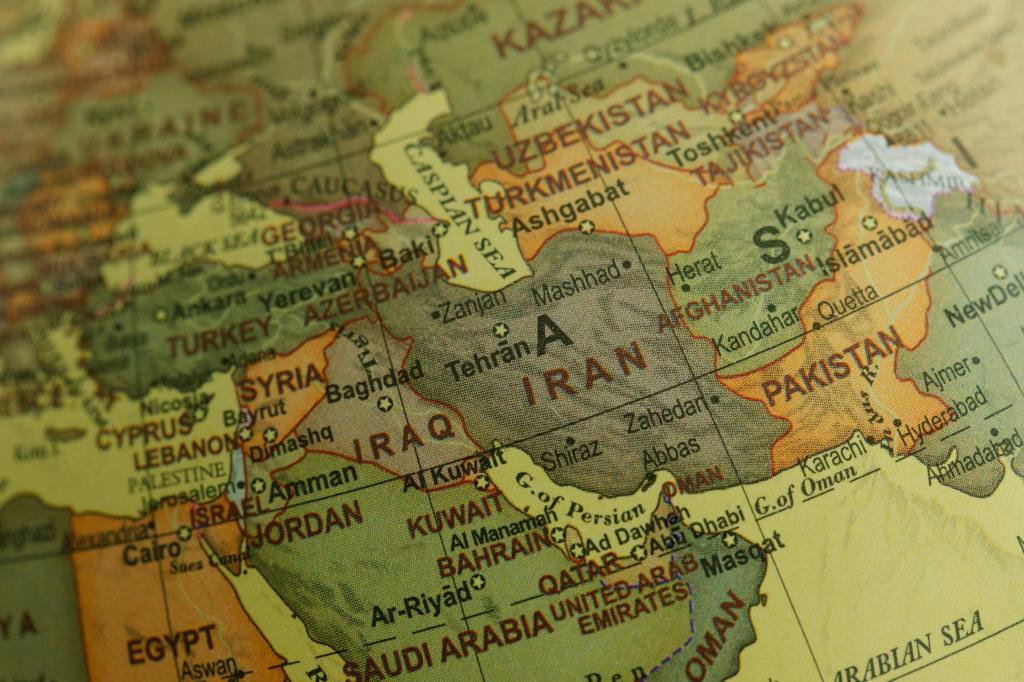
From the 3rd year of medical school I knew I didn’t want to stay in Iran and I didn’t feel like they wanted me to stay as well. By they I mean the government. But I wasn’t exactly sure where I would go, until after my brother went to the United States to continue his education. So, I was like, okay, I’m going to go to the US as well and for that I had to take the USMLE exams. So during my two years of social services, I started studying for Step 1. And because of the bad relationship of the Islamic Republic, like the Government in Iran, with the United States and overall, the Western countries, we don’t have any Prometric centers for USMLE exams inside Iran. So Iranians who graduated from medical have to take the USMLE exams somewhere else. And people usually travel to neighboring countries. I went to Armenia where my friend went to with a good experience. This was before COVID, so I traveled alone and I was there for, I think, four days. Then my family joined me, so it was a better time, because it was pre COVID and we traveled to other countries for vacation.
Eventually, I came back to Iran and waited for my Step 1 results. I thought if haven’t done a good job on Step one, then maybe I’ll change my path. Maybe I’ll go to Germany to do medicine because that’s also another destination for Iranian doctors. I got a good score so I decided to take Step 2, which I took during COVID pandemic. It was like at its peak. So I went to Armenia again, but this time, they had a policy that someone with COVID-19 infection or exposed to COVID exposure had to be quarantined. I wasn’t sure about travelling being a risk of being exposed and I didn’t want to be in a situation to get to Armenia and not be able to take the exam. So I got there days earlier before the exam date.
You know, right prior to exam, you want to get ready and like. It was a weird experience, being in a hotel room all the time trying to review notes and study. You don’t want to go outside. It was scary. You’re not sure what’s going on. But I got another appropriate score, but now I have to think of a way to get into the United States to the do step 3. Because this was something that was done just in the United States. Because being an Iranian, I couldn’t get a B1 visa, so I applied for research opportunities in the US and a student visa. I guess I wasn’t very lucky, and got disappointed, so I stopped applying. My friend who was kind of my advisor told me to get a student visa. He believed that doing a master’s degree would make it easier for me to get to the United States to do observerships. If I did research, I couldn’t get days off from the person you’re working for. And when you’re an old graduate, that’s something that decreases your chances of matching into residency significantly.
So I applied for and got into MPH and did some observerships at hospitals including the one I matched into. I didn’t finish my master’s of public health, but I don’t think I’m going to finish that. Probably.
The exams in medical schools in Iran are very different from the USMLE exams. The questions are in Farsi. But USMLEs are in English and much more detailed and you have to have a deeper understanding and knowledge to be able to get them correct. As I was preparing for step 1, I was very happy that I was learning stuff like in a better way. I feel like pathophysiology was not that strong in Iran. It’s because the system is very old and being in the hospital 24/7, seeing patients, you don’t have time to study. Here, medical students have much more time to study.
English is taught in school, but you’re not going to learn anything from that. In Iran, if your family can afford it, and if they care about education, they send their kids to private English classes at young age. I went to one when I was very young, like 6 or 7, but I didn’t continue it because it was so hard for me to learn it I left after one semester. I went again when I was like ten years old for three years and the stopped. I literally forgot everything. My English is from movies and TV shows and from living in the US. I feel like, even after three years, I still have language barriers.

 Immigrants of Medicine
Leave a comment